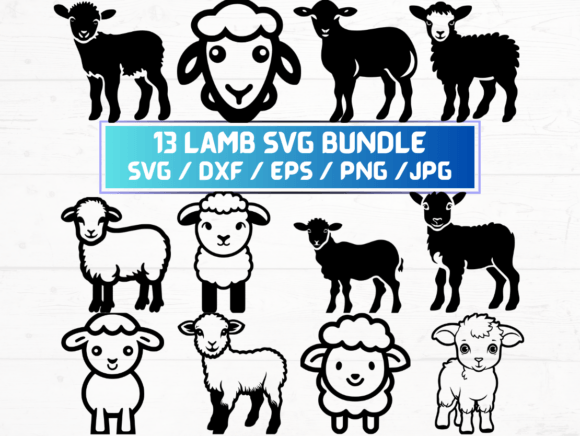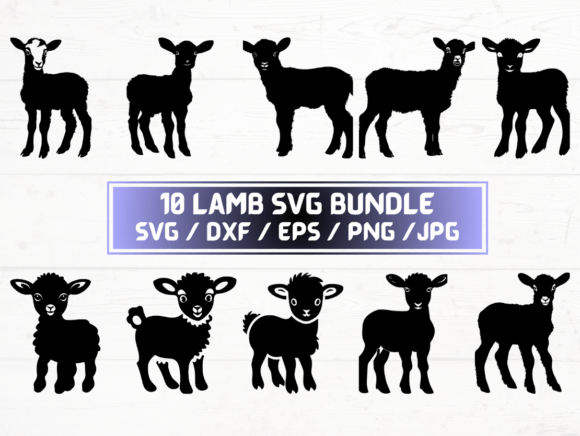
Lamb SVG, DXF, EPS, JPG, PNG: A Versatile Digital Asset for Creative and Professional Workflows
Whether you're a designer, marketer, educator, or small business owner, having access to high-quality digital assets can significantly streamline your workflow. Lamb SVG, DXF, EPS, JPG, and PNG files offer a comprehensive set of tools that cater to various needs across different industries. This article explores how these file formats fit into real-world applications, their compatibility with other tools, and practical tips for integrating them into your creative or professional process.
Understanding the File Formats
Lamb SVG, DXF, EPS, JPG, and PNG are all distinct file formats, each serving specific purposes in digital design and production. Understanding their characteristics is essential for choosing the right one for your project.
- SVG (Scalable Vector Graphics): Ideal for logos, icons, and illustrations that need to be scalable without losing quality. SVG files are XML-based, making them editable in text editors and compatible with most vector graphic software.
- DXF (Drawing Exchange Format): Commonly used in CAD (Computer-Aided Design) software. It's useful for technical drawings, engineering blueprints, and 3D modeling projects.
- EPS (Encapsulated PostScript): A vector format that supports both raster and vector images. It's often used in print media due to its high resolution and scalability.
- JPG (Joint Photographic Experts Group): A raster image format that's widely used for photographs and web graphics. It supports compression, which makes it ideal for online use but less suitable for editing.
- PNG (Portable Network Graphics): Another raster format, PNG supports transparency and offers lossless compression. It's commonly used for web graphics, logos, and icons where transparency is needed.
Where These Files Fit in Your Workflow
The versatility of Lamb SVG, DXF, EPS, JPG, and PNG files allows them to be used at various stages of a project, from initial planning to final execution.
Pre-Project Planning
Before starting any design or production task, having access to pre-made assets like Lamb SVG files can save time and effort. For instance, if you're creating marketing materials, using ready-to-use SVG icons or PNG images can help you quickly assemble a visually appealing layout without needing to design everything from scratch.
Additionally, DXF files can be useful for engineers or architects who need to reference existing designs or blueprints before beginning a new project. EPS files, with their high-resolution capabilities, are also valuable for print-ready materials that require precision and clarity.
During Project Execution
During the actual creation phase, these files can be integrated into various design and production workflows. For example, designers working on web projects might use PNG files with transparent backgrounds to ensure seamless integration with website layouts. Similarly, marketers may rely on JPG files for social media posts or banners, leveraging their compressed size for faster loading times.
For those working in CAD environments, DXF files allow for easy collaboration between different software platforms. Engineers and product designers can import and export DXF files to share designs with clients or manufacturers, ensuring consistency across different stages of development.
Post-Project Use
After completing a project, these files can be repurposed for future use. For instance, SVG files can be modified and reused in different contexts, such as updating a logo for a new campaign or incorporating it into a mobile app interface. PNG and JPG files can be archived for use in future marketing campaigns or printed materials.
EPS files, due to their high quality, are often used for long-term archival purposes, especially in industries where print accuracy is crucial. They can be revisited and reprinted years later without losing resolution or detail.
Compatibility and Integration with Other Tools
One of the key advantages of Lamb SVG, DXF, EPS, JPG, and PNG files is their compatibility with a wide range of software and platforms. Here’s how they interact with common tools:
- Design Software: SVG and EPS files are supported by most vector graphic software like Adobe Illustrator, Inkscape, and CorelDRAW. DXF files are commonly used in CAD software such as AutoCAD and SolidWorks.
- Web Development: PNG and JPG files are widely used in web design, while SVG files can be embedded directly into HTML code for scalable graphics on websites.
- Print Production: EPS and PNG files are preferred for print because of their high resolution and support for transparency. JPG files are generally not recommended for print due to their lower resolution and potential for visible compression artifacts.
- Mobile Applications: PNG and SVG files are commonly used in mobile app development for icons and UI elements. Their scalability ensures that graphics remain clear on different screen sizes.
Practical Implementation Tips
To make the most of Lamb SVG, DXF, EPS, JPG, and PNG files, consider the following tips:
- Organize Your Files: Keep your digital assets organized in folders based on file type, project, or purpose. This makes it easier to locate the right file when needed.
- Check Compatibility: Before using a file, verify that it's compatible with your design or production software. Some programs may not support certain formats, so it's important to confirm this beforehand.
- Use High-Resolution Files for Print: When preparing materials for print, always use high-resolution EPS or PNG files to ensure clarity and quality.
- Optimize for Web Use: For web-based projects, compress JPG and PNG files to reduce load times without sacrificing too much quality. SVG files should be optimized for scalability and minimal file size.
- Backup and Archive: Store copies of your digital assets in secure locations, such as cloud storage or external drives. This helps prevent data loss and ensures that you have access to your files even if your primary system fails.
Conclusion
Lamb SVG, DXF, EPS, JPG, and PNG files are essential components of modern design and production workflows. Whether you're creating digital content for the web, preparing print materials, or working on engineering projects, these file formats provide the flexibility and quality needed to meet a wide range of requirements. By understanding their strengths and limitations, you can integrate them seamlessly into your work, enhancing efficiency and creativity along the way.