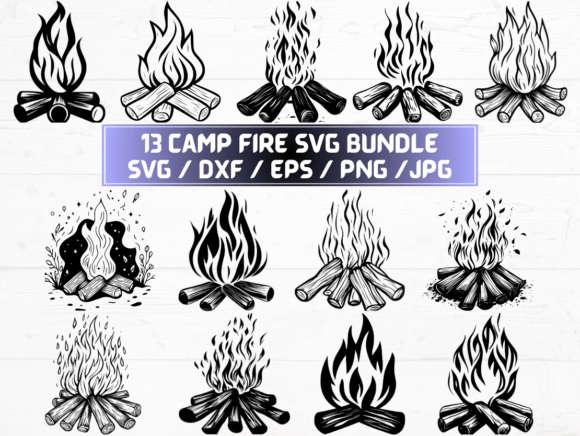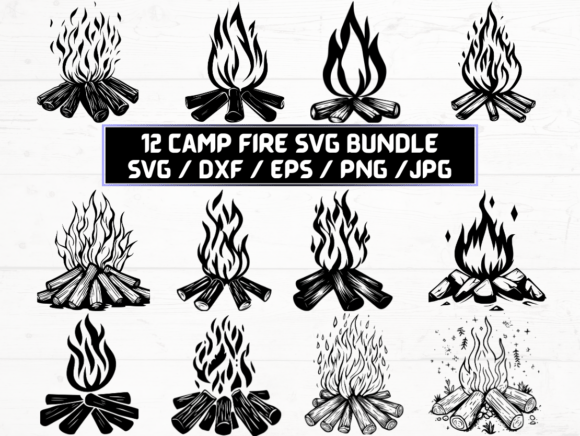
Camp Fire SVG, DXF, EPS, JPG, PNG: A Digital Asset for Creative Projects
Whether you're designing logos, crafting digital art, or preparing marketing materials, having the right file formats can make all the difference. Camp Fire SVG, DXF, EPS, JPG, and PNG files offer a versatile solution for creators who need high-quality images across various platforms. This article explores what these files are, why they matter, and how to use them effectively without common pitfalls.
Understanding Camp Fire SVG, DXF, EPS, JPG, and PNG Files
Camp Fire is a popular design element used in a variety of creative fields. It's often used in branding, signage, illustrations, and more. The availability of multiple file formats ensures that users can work with the format best suited to their needs.
SVG (Scalable Vector Graphics) is ideal for web-based projects because it scales without losing quality. DXF (Drawing Exchange Format) is commonly used in CAD software for engineering and architectural designs. EPS (Encapsulated PostScript) is suitable for high-resolution printing. JPG (Joint Photographic Experts Group) is great for photographs and web images, while PNG (Portable Network Graphics) supports transparency and is excellent for graphics with transparent backgrounds.
Why Choose Camp Fire SVG, DXF, EPS, JPG, and PNG?
Creatives often choose these formats due to their flexibility and compatibility. For example, an entrepreneur launching a new brand might use SVG for website icons and PNG for social media banners. A designer working on a brochure may opt for EPS for print quality. Understanding which format works best for your project can save time and prevent costly mistakes.
One key benefit of purchasing these files as a ZIP folder is the instant access to multiple formats. This allows you to adapt your designs across different mediums without needing to convert files manually, which can sometimes lead to loss of quality or detail.
Common Mistakes When Using Camp Fire SVG, DXF, EPS, JPG, and PNG
While these formats are powerful, there are common mistakes that can affect the outcome of your project. One mistake is not checking the resolution before using JPG or PNG files for print. These formats are typically used for digital displays, and using them for print without proper resolution can result in blurry images.
Another mistake is assuming that all vector formats are interchangeable. While SVG and EPS both support vectors, they are not always compatible with every design software. Always verify that your chosen software supports the specific format you're using.
Many creators also overlook the importance of transparent backgrounds when using PNG files. If you're designing a logo or graphic that needs to be placed over different colors or images, a transparent background is essential. Failing to ensure this can limit the versatility of your design.
How to Avoid Common Pitfalls
To avoid issues with file formats, start by clearly defining the purpose of your design. Are you creating something for the web, print, or both? This will help determine which formats are most appropriate.
If you're unsure about the right file type for your project, consult your design software's documentation or reach out to customer support. Many programs have guides or tutorials explaining how to work with each format effectively.
Before downloading or purchasing Camp Fire SVG, DXF, EPS, JPG, and PNG files, check the product description carefully. Ensure that the package includes all the formats you need and that the resolution meets your requirements. For example, if you plan to use PNG files for print, confirm that they are at least 300 dpi, as lower resolutions may not look sharp when printed.
Real-World Examples and Better Approaches
Imagine you're designing a promotional poster for a camping event. You decide to use a Camp Fire image as a central graphic. If you choose a low-resolution JPG, the fire may appear pixelated when printed. Instead, opt for a high-resolution PNG or EPS file to maintain clarity and detail.
Another scenario involves a blogger creating a downloadable infographic. They might choose SVG for its scalability, allowing the image to look crisp on any screen size. However, if they're planning to share it on a platform that doesn't support SVG, they should also include a PNG version for broader compatibility.
A small business owner designing a logo for both their website and business cards would benefit from having both SVG and EPS files. The SVG can be used online, while the EPS ensures high-quality printing for physical materials.
What to Check Before Downloading or Purchasing
Before making a purchase, take a moment to review the product details thoroughly. Confirm that the package includes all the necessary file types and that the resolution meets your needs. Also, check if the files are editable, especially if you're planning to customize the Camp Fire design further.
It's also wise to read reviews or ask questions if you're unsure about the quality or usability of the files. Knowing what others have experienced can help you make a more informed decision.
Finally, remember that these are digital products, so no physical item will be sent. Ensure that you understand the download process and that you'll have immediate access to the files once your purchase is complete.
By understanding the strengths and limitations of each file format, you can use Camp Fire SVG, DXF, EPS, JPG, and PNG files more effectively. This knowledge helps you avoid common mistakes and achieve better results in your creative projects.