Brain Laser Cut: A Digital Asset for Precision and Creativity
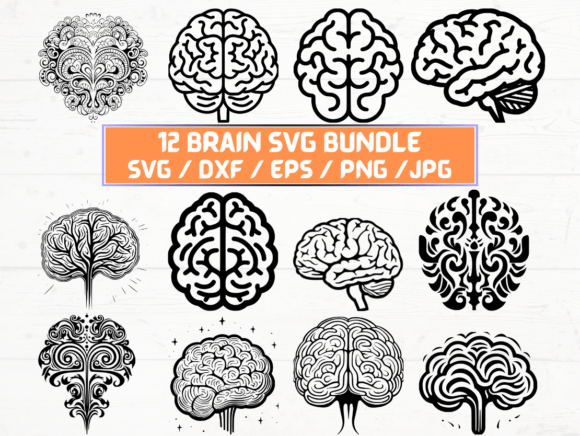
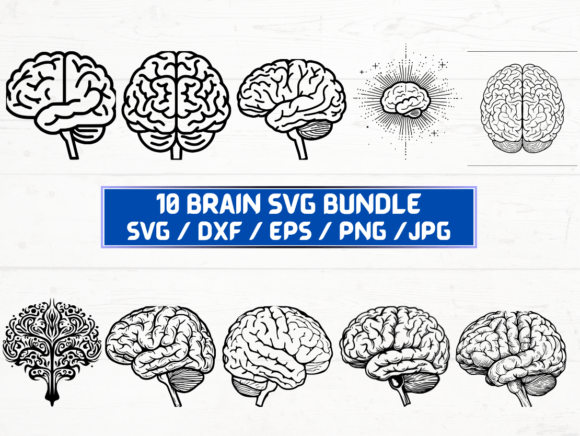
Brain Laser Cut is a digital product designed for those who need high-quality, scalable vector graphics for laser cutting or engraving projects. This downloadable package includes 10 SVG files, 10 PNG files at 300 dpi with transparent backgrounds, 10 DXF files, 10 JPG files, and 10 EPS files—all bundled in a ZIP folder for instant access. Whether you're a hobbyist, professional designer, or entrepreneur, this collection offers the versatility needed to bring your creative visions to life.
Before diving into using Brain Laser Cut, it's important to understand what this product entails and how to make the most of it. Many users overlook key details that can impact their results, from file format compatibility to resolution quality. Let's explore some common pitfalls and how to avoid them.
Understanding What Brain Laser Cut Offers
Brain Laser Cut is not just another graphic set; it’s tailored for precision work. The inclusion of multiple file formats ensures compatibility with various software and devices. SVG and DXF files are ideal for vector-based design software like Adobe Illustrator or CorelDRAW, while PNG and JPG files are perfect for raster-based editing or web use. EPS files provide scalability for print purposes, making this product suitable for both digital and physical applications.
However, many people fail to recognize that these files are meant for digital use only. No physical product is sent—only the digital files. This is crucial to note before purchasing, as misunderstanding this detail could lead to disappointment or confusion.
Common Mistakes When Using Brain Laser Cut
One of the most frequent mistakes is assuming all file formats will work seamlessly across different programs. While SVG and DXF are widely supported, some laser cutters may require specific settings or conversions. Always check your machine's specifications and ensure the chosen file type is compatible.
Another mistake is ignoring the resolution when using PNG or JPG files. Although they are provided at 300 dpi, which is standard for print, if you plan to scale them significantly, lower-resolution images may lose clarity. It's best to use vector files (SVG, DXF, EPS) for scaling without quality loss.
Some users also neglect to test the files before committing to a large project. Downloading Brain Laser Cut is straightforward, but it's wise to open a few files in your preferred software to confirm they meet your needs. This step can save time and prevent wasted resources on a project that doesn't align with your expectations.
What to Check Before Downloading Brain Laser Cut
Before purchasing Brain Laser Cut, consider the following:
- Software Compatibility: Ensure your design or laser cutting software supports the file formats included. If unsure, review the documentation or reach out to the seller for clarification.
- Intended Use: Determine whether you need vector or raster files based on your project requirements. Vector files are better for scaling, while raster files are more suitable for photo-realistic designs.
- Resolution Needs: If your project requires high-resolution output, prioritize SVG, DXF, or EPS files over PNG or JPG, unless transparency is essential.
- Project Scope: Think about the complexity of your project. Brain Laser Cut is ideal for intricate designs, but if you're working on something simple, you might find the files more detailed than necessary.
By evaluating these factors beforehand, you can ensure that Brain Laser Cut meets your specific needs and avoids unnecessary complications later on.
Practical Tips for Getting the Most Out of Brain Laser Cut
To maximize the value of Brain Laser Cut, take advantage of its flexibility by experimenting with different file types. For example, use SVG files for designing custom laser-cut patterns and PNG files for adding textures or images to your projects. Combining vector and raster elements can enhance the visual appeal of your final product.
If you're new to laser cutting, start with simpler designs and gradually move to more complex ones. This approach allows you to become familiar with the tools and techniques required to achieve the best results. Additionally, don’t hesitate to refer to tutorials or community forums for guidance on optimizing your workflow.
Finally, always back up your downloaded files. Since Brain Laser Cut is a digital product, losing the ZIP folder could mean losing access to all the assets. Store the files in a secure location or cloud storage service to ensure they’re safe and easily accessible whenever needed.
Brain Laser Cut is a valuable resource for anyone involved in design, crafting, or manufacturing. By understanding its capabilities and limitations, you can avoid common mistakes and unlock its full potential. With careful planning and practical application, this digital asset can help you create stunning, precise, and professional results every time.